Commercial Waste Removal in Norbiton

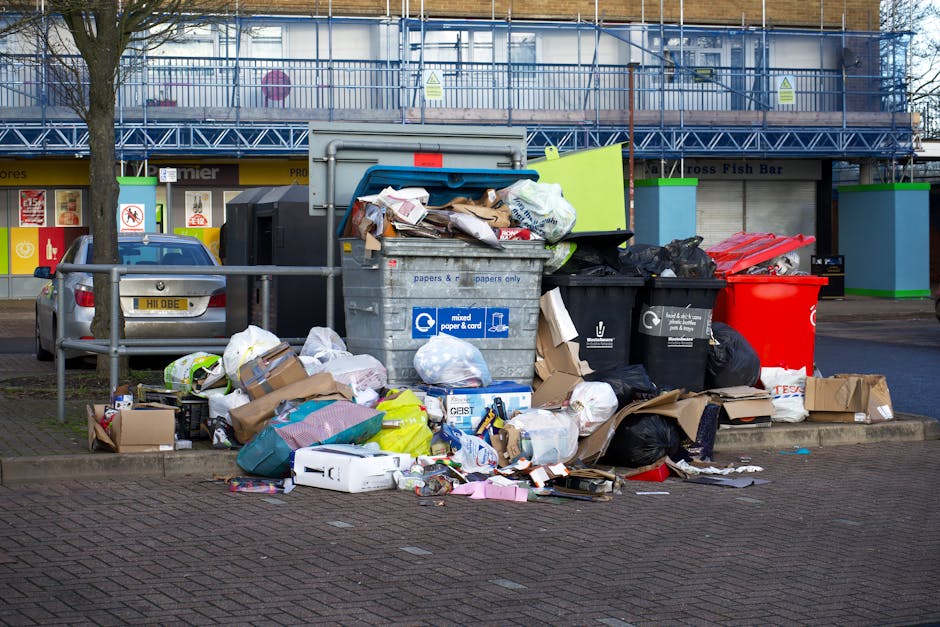
Commercial waste removal in Norbiton helps shops, offices, landlords, hospitality premises and other local organisations clear out unwanted materials in a controlled and straightforward way. Our service is arranged around regular commercial collections, one-off clearances and the removal of bulky items that are awkward to store on site. The aim is simple: keep day-to-day operations moving while waste is handled responsibly and without unnecessary disruption.
We work with a range of business waste streams, from general office rubbish and packaging to larger mixed clearances where furniture, fixtures and stored items need to be taken away together. If your premises need a tidy-up before a move, refurbishment or handover, the work can be planned to suit the space, access and timing available. Clear scope, sensible sorting and reliable loading all make the process easier for the customer and the crew.
For many premises, the first step is deciding what needs to go and what should stay. A clear list of item types, approximate quantities and any access constraints is usually enough to begin shaping a quotation. You can prepare an accurate request by noting whether the waste is loose, bagged, stacked or stored, and whether there are stairs, shared entrances or loading restrictions to consider.
Business waste collections for everyday premises
Commercial collections are useful where waste is produced steadily and a premises benefits from a practical, repeatable arrangement rather than occasional ad hoc clearances. Offices often need help with paper waste, packaging, obsolete equipment and occasional bulky items. Shops and customer-facing sites may need support with back-of-house rubbish, display materials and stockroom clutter. The service is designed to handle these tasks in a way that fits around normal trading and keeps storage areas usable.
Depending on what is being removed, collections can include a mixture of recyclable and non-recyclable materials. Keeping different waste types separate where possible can make handling more efficient and may simplify what happens at the point of disposal. If you want to discuss what is involved, or to compare a regular collection with a one-off visit, please get in touch for a quotation. Early details help us advise on the most suitable approach.
What this type of collection often covers
Typical commercial loads may include office furniture, broken chairs, shelving, packaging, archive material, unsold stock, computer peripherals, fittings and general waste from a clear-out. Some premises prefer a phased removal, while others need a single visit to empty a room or section of the building. Where items are particularly awkward or heavy, the removal plan can take account of the safest way to lift and move them.
Office, retail and premises clearances

When a workplace needs more than a routine collection, a clearance service can remove a broader mix of items from rooms, storage areas and shared spaces. This is useful for offices, studios, clinics, small warehouses and retail units that are being reconfigured, reduced, vacated or simply decluttered. The work may involve desks, chairs, cabinets, shelving, boxed records, displays and miscellaneous items that have built up over time.
Clearance work is often best approached with a short walkthrough of the space or a detailed description of what is present. That helps identify any items that need special handling, any awkward access points and any materials that should not be mixed with general waste. If you are planning a wider tidy-up, it can be sensible to separate salvageable furniture from items that are ready for disposal before the team arrives.
For business premises, timing matters as much as volume. Many customers want the work carried out either side of trading hours, during a quieter slot or as part of a planned move. We can discuss the sequence of removal so that it suits the layout of the site and the order in which rooms need to be cleared. A well-organised visit helps reduce unnecessary handling and keeps the process efficient.
Furniture, fixtures and bulky item removal
Bulky items often require more planning than general rubbish because they take up floor space, are awkward to carry and may need disassembly before removal. Our furniture removal and disposal services cover many of the items commonly found in commercial premises, including desks, tables, chairs, cupboards, filing units and reception furniture. Where suitable, we can also remove mixed loads that include smaller items gathered around the larger pieces.
Some furniture can be taken away intact, while other items may need to be broken down for safe movement through doorways, corridors or communal areas. This is especially relevant in buildings with limited access or shared internal routes. Good planning reduces handling time and helps ensure the correct equipment and vehicle space are used for the job. If the removal includes several floors or a difficult layout, those details should be included from the outset.
- Desks, chairs and boardroom furniture
- Cabinets, shelving and storage units
- Reception items and waiting-area furniture
- Mixed bulky items from clear-outs
- Pieces that need partial dismantling before loading
Waste streams, sorting and responsible disposal

Commercial waste is rarely limited to one type of material, so sensible sorting is an important part of the service. Offices may produce paper and card, shops may have packaging and display materials, while workshops and storerooms can contain mixed items from several previous uses. Our approach is to remove the waste in a way that allows relevant streams to be separated where possible and handled appropriately after collection.
This can include general rubbish, recyclable materials, bulky furniture, appliance items and certain specialist waste types where the job is suitable and permitted. If a load contains items that need particular care, it is best to flag them early so they can be assessed against the service offered. Items that are unsuitable for a general collection should not be mixed in with ordinary waste, as that can affect the handling plan and the quotation.
For customers, a useful way to think about disposal is in terms of preparation and clarity. The better the description of the materials, the easier it is to set expectations about labour, vehicle capacity and loading time. If some items are likely to be reused, recycled or kept, it helps to identify them before the visit. That keeps the removal focused on what truly needs to leave the premises.
Pricing, access and what affects a quotation
Commercial waste removal pricing is usually influenced by the amount of material, the kind of items involved, how easy they are to reach and how long the loading is likely to take. A straightforward bagged load from a ground-floor store room is very different from a mixed clearance that includes heavy furniture, awkward lifting or multiple trips through shared areas. Clear information at the start helps produce a more accurate quotation.
Access can be just as important as weight or volume. Narrow stairwells, lift restrictions, loading bays, parking limitations and long carries all change the practical side of the work. If you know about any of these issues, include them when requesting a price. Useful quotation details usually include the type of premises, the waste categories involved, the approximate size of the load and any dates or time windows you need to work to.
If you are comparing options, it can also help to decide whether the job is a one-off clearance or a recurring waste arrangement. Repeated waste production from an office, shop or service site may suit a different plan from a single room emptying. Call us to discuss the scope, and if you already know the basics, send a brief note so we can quote with confidence.
Commercial premises that benefit from organised waste removal
Many different organisations use a commercial waste removal service, and each has its own pattern of waste, storage and access. Offices may need help when desks and archived materials build up. Retail premises may need stockroom items and packaging removed. Hospitality venues may want back-of-house clutter cleared, while managed properties and landlords may need a unit emptied between occupiers. The service can be adapted to these situations without turning each job into a separate specialist project.
It is often useful to think in terms of the space that needs to be restored rather than just the items being removed. A cluttered meeting room, a blocked storage area or a room full of redundant furnishings may all need different handling, but the end goal is the same: a clearer, more usable area. If you have several areas to clear, they can usually be grouped into one planned visit.
How we approach mixed commercial loads
Mixed loads are common in business settings because different items accumulate over time. A single clearance may include office chairs, broken equipment, cardboard, shelving and loose general rubbish. In these cases, the sequence of removal matters. Heavier items are usually dealt with first, loose waste is consolidated, and the load is organised so that it can be moved efficiently and safely from the premises.
About Norbiton
Norbiton is a district in the Royal Borough of Kingston upon Thames, in southwest London. It lies close to the centre of Kingston and is shaped by a mix of residential streets, local services and transport routes that connect it with the wider borough. The area is associated with Norbiton railway station, which sits on the South Western Railway network and provides a direct link into central London and toward Surrey. That rail connection has long helped define Norbiton as a place with easy movement between local streets and the larger metropolitan area. The district also sits near several well-known Kingston landmarks, including Kingston Hospital, which is one of the major institutions in the vicinity, and the large urban amenities of Kingston town centre just to the west. Norbiton’s streets include a range of housing from Victorian and interwar development to more recent estates and infill, creating a varied local character rather than a single uniform streetscape. The nearby River Thames, while not running through the district itself, remains an important geographic reference for the wider area, and green spaces in and around Kingston provide a contrast to the built environment. Norbiton can therefore be understood as part of a broader urban fabric: a settled inner suburban district with transport links, civic facilities and connections to both central Kingston and the river corridor.
Book a suitable commercial clearance
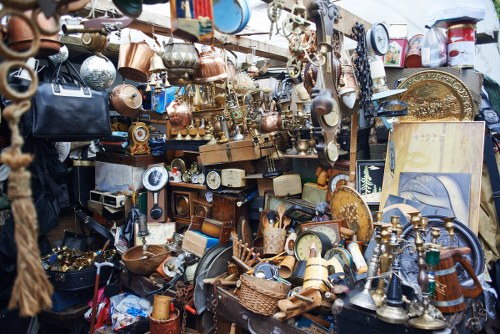
If you need commercial waste removed from a workplace, retail unit or managed property, the most helpful next step is to outline the items, access and timing. That gives a clearer basis for arranging the work and avoids unnecessary back-and-forth. We can then discuss whether the job is best handled as a one-off clearance, a bulky-item removal or an ongoing collection arrangement, depending on the materials involved.
Some customers only need a room emptied once, while others need a more structured approach because waste appears regularly. Either way, the practical questions are similar: what needs to be moved, where it is located and how quickly it needs to happen. If you are still deciding, a short description of the site and the main items is usually enough to start the conversation. Request a quotation today and we will help you plan the next step.
For a more detailed quote, use our pricing and quotes page or contact us directly with the essentials. Please include the waste type, approximate quantity and any access notes so we can respond on a realistic basis. If your job also involves a planned shutdown, refurbishment or handover, mention that too so the removal can be aligned with the wider schedule.
Support for clear-outs, refurbishments and moving premises
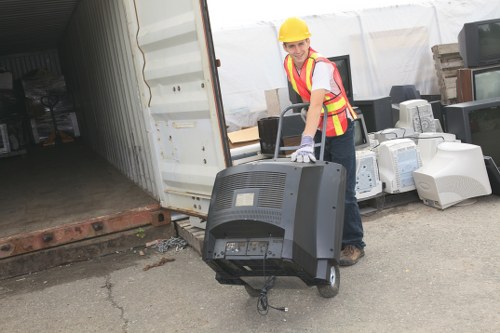
Commercial waste removal is often part of a broader change to the premises rather than an isolated task. A business move, refurbishment, re-fit or storage reorganisation can all create items that are no longer needed. In those situations, the removal plan should follow the order of the project, with waste taken away at the point it becomes redundant so it does not block the rest of the work. That approach helps keep rooms accessible and reduces unnecessary stacking.
Where a site is being prepared for handover, it is often useful to remove redundant furniture, loose rubbish and left-behind items in one coordinated visit. The same is true for offices and retail units that are being reset for a new layout. You may not need a complete emptying, but it can still be valuable to clear the parts of the premises that are holding up the next stage. If you already know the areas to be cleared, mention them when you enquire.
Commercial waste removal should be practical, proportionate and easy to organise. We keep the process focused on the items that need to go, the access available and the timing that suits your business. If you are ready to move ahead, send the details now and we will prepare a suitable quotation.