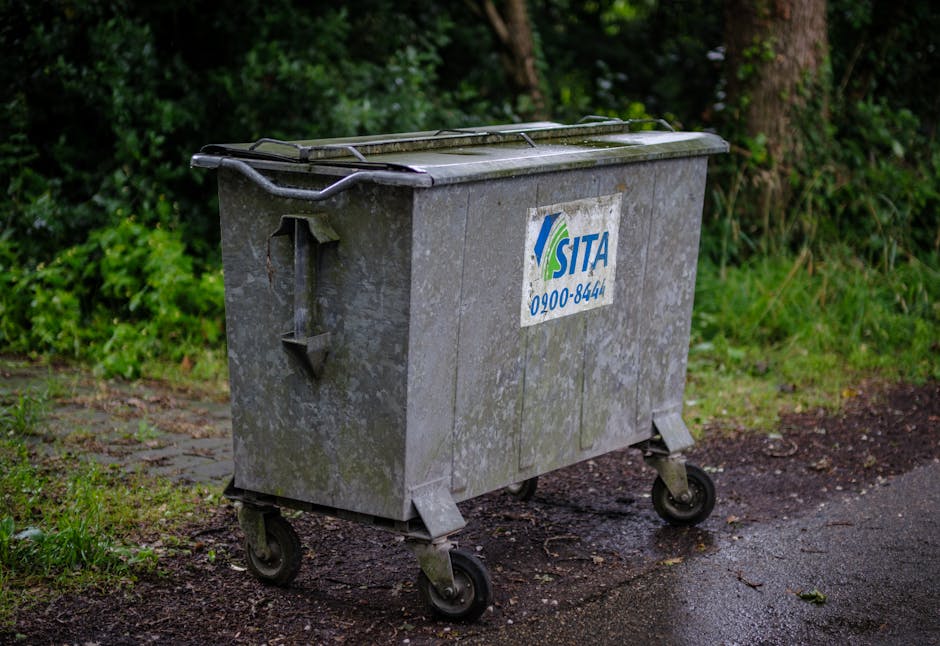
Norbiton rubbish removal guide for Norbiton Road KT2
If you live, work, or manage a property on Norbiton Road KT2, rubbish has a habit of building up at the worst possible moment. A broken wardrobe appears just before guests arrive. Renovation offcuts pile into the hallway. Bags of garden waste sit by the gate after a weekend job that somehow got bigger than expected. This Norbiton rubbish removal guide for Norbiton Road KT2 is here to make the whole process feel calmer, quicker, and a lot less messy.
We will walk through how rubbish removal typically works in this part of Norbiton, what to look out for, how to avoid common mistakes, and when it makes sense to book a professional clearance. You will also find a practical comparison, a real-world example, and a checklist you can use before anything is lifted. Straightforward stuff, really. But useful.
Table of Contents
- Why Norbiton rubbish removal guide for Norbiton Road KT2 matters
- How it works
- Key benefits and practical advantages
- Who this is for and when it makes sense
- Step-by-step guidance
- Expert tips for better results
- Common mistakes to avoid
- Tools, resources and recommendations
- Law, compliance, standards, and best practice
- Options, methods, and comparison table
- Case study or real-world example
- Practical checklist
- Conclusion
- Frequently asked questions
Why Norbiton rubbish removal guide for Norbiton Road KT2 Matters
Norbiton Road sits in a busy local setting where access, parking, and timing can matter just as much as the waste itself. That is why rubbish removal is not only about getting rid of unwanted items. It is about doing it without causing stress, blocking a pavement, annoying neighbours, or creating a bigger job for yourself later.
In practical terms, a good rubbish removal plan helps you clear space safely, avoid fly-tipping risk, and keep the property presentable. That matters whether you are in a flat, a family home, a rented property, or a small business unit nearby. One overflowing pile can make a room feel smaller, messier, and more chaotic than it really is. You know the feeling.
It also matters because different waste types need different handling. A bag of old clothes is one thing. A smashed fridge, paint tins, or broken bathroom fittings are another. Some items are straightforward; others need special care. If you get that part wrong, the consequences can be more than inconvenient.
Expert summary: The smartest rubbish removal approach on Norbiton Road KT2 is the one that matches the waste type, the access to your property, and the time you actually have available.
How Norbiton rubbish removal guide for Norbiton Road KT2 Works
Most rubbish removal jobs follow the same basic pattern, but the details matter. First, you identify what needs to go. Then you decide whether it is general waste, recyclable material, bulky items, garden waste, builders' debris, or something more specialised. After that, you choose the most suitable method for the volume and access conditions.
For many Norbiton Road properties, the challenge is simple: there may be limited parking, narrow access, stairs, or awkward collection points. That can make a quick clearance feel a bit fiddly. Not impossible. Just fiddly. A professional team usually plans around that by estimating load size, lift-up points, and the kind of carrying needed from the property to the vehicle.
A well-run clearance visit often includes sorting, lifting, loading, and responsible disposal. If the waste includes reusable items, you may want to separate them first. If it includes damaged furniture or appliances, it is wise to check whether the provider handles those items directly. For example, mattress and sofa disposal and fridge and appliance removal are often easier to arrange when you know exactly what is being collected.
In our experience, the jobs that run best are the ones where the customer has already done a quick room-by-room sort. Nothing fancy. Just a bit of common sense before the team arrives.
Key Benefits and Practical Advantages
There are several good reasons people choose professional rubbish removal rather than trying to manage every item themselves.
- Speed: A trained clearance team can often remove mixed rubbish far faster than a DIY trip to a disposal site.
- Less disruption: You do not have to hire a vehicle, load it yourself, and make repeated journeys.
- Safer handling: Heavy furniture, old appliances, and sharp materials are easier to move with the right equipment and technique.
- Better sorting: Recyclables, reusable items, and general waste can be separated more effectively.
- Cleaner finish: A proper clearance should leave the space ready for its next use, not half-done and dusty.
There is also the emotional benefit, which people sometimes underestimate. A clear room changes the way a property feels. You open the door and breathe easier. That sounds small, but if you have been living around clutter for weeks, it is a big deal.
For larger jobs, such as moving out, estate clearance, or home refurbishment, services like home clearance, house clearance, or flat clearance can save a lot of time and decision fatigue. Truth be told, once the piles start to multiply, it is easy to lose track of what is actually staying.
Who This Is For and When It Makes Sense
This guide is useful for a wide range of people on or around Norbiton Road KT2.
- Homeowners clearing lofts, spare rooms, garages, or gardens
- Landlords dealing with end-of-tenancy rubbish or abandoned items
- Tenants who need to leave a property tidy and avoid disputes
- Property managers handling one-off clearances between occupiers
- Tradespeople with builders' waste after a renovation or repair
- Local businesses clearing office clutter, packaging waste, or old stock
It makes sense to arrange rubbish removal when the waste is bulky, mixed, urgent, or awkward to move. If you have only a few bags, a smaller plan may do. But if you are staring at broken furniture, plasterboard, or a shed full of old stuff that has somehow become a life story, a proper clearance is usually the saner option.
Some jobs are also time-sensitive. Maybe an inspection is due, a sale is moving forward, or a builder is starting next week. In those cases, the best rubbish removal choice is the one that fits your deadline, not the one that looks cheapest on paper and then drags on.
Step-by-Step Guidance
If you want to handle rubbish removal well on Norbiton Road KT2, follow this simple process.
- Walk through the space slowly. Check every room, cupboard, corner, and outside area. It is surprising how much appears after the first glance.
- Separate the waste into rough categories. General rubbish, furniture, appliances, garden waste, building debris, and any suspect items should be identified early.
- Decide what can be reused, donated, recycled, or disposed of. Do not send everything straight to the skip-shaped graveyard, so to speak.
- Measure larger items. Stairwells, door frames, and tight hallways matter more than people expect.
- Check access and parking. On a road like Norbiton Road, that can make the difference between a smooth collection and a frustrating one.
- Choose the right service scope. For example, a simple mixed waste pickup differs from builders waste clearance or garden clearance.
- Confirm how the waste will be handled. Responsible disposal and recycling should be part of the plan, not an afterthought.
- Prepare the items in advance. Put waste in accessible piles if possible, but do not overdo it if lifting or moving would be unsafe.
A small practical tip: keep one bag or box for items you are still deciding about. It sounds obvious. Yet that one box prevents a lot of second-guessing later.
Expert Tips for Better Results
Here are a few things that genuinely make rubbish removal smoother.
- Book before the mess becomes unmanageable. A half-managed job is usually easier than a weekend panic-clearance.
- Keep hazardous items separate. Do not mix them in with ordinary rubbish just to save time.
- Plan around neighbours and parking. Early morning or busy school-run times can complicate access.
- Ask what is included. Some jobs only cover loading; others include sorting and sweeping up afterwards.
- Photograph the waste pile. This helps if you need to explain the volume or check the quote details.
One of the best habits is to think in "load size" rather than "number of items." A broken bed frame, two chairs, and six bags can take up more van space than it first seems. That is why volume matters so much.
Also, be honest about what is in the pile. Nobody likes surprise waste. Especially not the sort that squeaks, leaks, or smells faintly of damp cardboard on a wet afternoon.
Common Mistakes to Avoid
People often make the same avoidable mistakes when arranging rubbish removal.
- Underestimating the volume: The pile always looks smaller from the front door than it does up close.
- Forgetting access issues: Tight hallways, parking limitations, and stairs can slow everything down.
- Mixing special waste with general waste: This can create disposal problems and extra cost.
- Leaving sorting until collection day: That is when stress tends to kick in.
- Assuming all services handle every item: Some do not collect certain appliances or controlled materials.
Another common one is not checking whether the team is clear about the property layout. If a building has multiple floors, a long shared corridor, or limited lift access, say so early. It saves everyone a headache.
And yes, people do occasionally forget to keep the items they actually wanted to keep. That happens more than you would think. A quick label or a separate room helps a lot.
Tools, Resources and Recommendations
You do not need a huge toolkit to prepare for rubbish removal, but a few simple things help.
- Heavy-duty bags and boxes for loose waste and smaller items
- Labels or marker pens to mark what stays and what goes
- Gloves for handling dusty, sharp, or awkward items
- Measuring tape for furniture, appliances, and awkward stair turns
- Phone photos for planning and quote accuracy
If you are dealing with a more specific type of waste, it helps to use the right service page. For example, furniture clearance is a better fit for bulk items than a general sweep, while garage clearance is often ideal when a space has become a catch-all for years of miscellaneous bits and bobs.
For businesses, document-sensitive waste should be handled differently. If the issue is paper files rather than physical rubbish, confidential shredding is the more suitable route. Keeps things tidy and avoids awkward mistakes. No one wants office papers floating around in the wrong hands.
Law, Compliance, Standards, and Best Practice
Waste removal in the UK should always be handled with care and responsibility. While this guide is not legal advice, there are a few common-sense principles worth following.
First, do not dump waste illegally or leave it in places that obstruct public areas. Fly-tipping is a real issue, and the person who arranges the disposal still has a duty to think carefully about where waste ends up. That is true whether you are clearing a home, a flat, or a business premises.
Second, be especially careful with items that may need specialist handling. These include some appliances, certain chemicals, broken electrical equipment, and anything that could leak, contaminate, or create a safety risk. If you are unsure, treat the item cautiously and ask before collection.
Third, use providers that explain their process clearly. A trustworthy service should be able to discuss safety, transport, disposal, and recycling in plain English. You should not have to guess how the job will be managed.
It is also sensible to check service terms and payment details before booking. Pages such as terms and conditions, payment and security, and insurance and safety are useful places to understand how a provider frames its work and what protections are in place.
Best practice in one line: choose a service that is transparent, careful, and realistic about what it can collect.
Options, Methods, and Comparison Table
Different rubbish removal methods suit different situations. The right choice depends on volume, item type, time pressure, and access.
| Method | Best for | Pros | Watch-outs |
|---|---|---|---|
| DIY trips | Small amounts of rubbish, very occasional clear-outs | Flexible and simple for tiny jobs | Time-consuming, multiple journeys, loading risk |
| Skip-style disposal planning | Ongoing projects with predictable waste | Useful for building or garden work | Space needed, sorting limits, access considerations |
| Professional rubbish removal | Mixed waste, bulky items, urgent clearances | Fast, practical, and less physically demanding | Depends on accurate volume and item descriptions |
| Specialist clearance | Furniture, appliances, lofts, garages, offices, or hazardous waste | Better suited to the item type and safety needs | May need advance planning for certain materials |
If you want to understand what belongs in a skip and what should stay out, the page on what can go in a skip is a useful reference point. It is especially helpful if you are comparing clearance methods for a larger project.
Case Study or Real-World Example
Imagine a typical Norbiton Road property with a few awkward problems at once: a broken bed frame upstairs, old chairs in the hallway, several bags of loft clutter, and some garden waste left after a tidy-up. Nothing dramatic. Just enough to make the house feel cramped and unfinished.
The first instinct is often to tackle it all in one go with a few household trips. But that can turn into a chain of slow, tiring journeys. You carry a chair down the stairs, then realise the garden waste needs a separate load, then find the loft boxes are heavier than expected. By the time you are done, half the day has gone and the hallway still looks like a mess.
A more efficient approach is to split the job by category. The furniture goes together. The garden waste goes together. The loft items are checked for reuse or recycling before removal. If there is also an appliance involved, it is flagged separately so the team can plan for it properly. That is where a more focused service can help, whether that means loft clearance, garden clearance, or a combined waste removal visit.
The result is not just a clear space. It is less stress, fewer moving parts, and a cleaner finish. Simple enough, but it makes a real difference.
Practical Checklist
Use this checklist before you book or begin the removal.
- Identify every item you want removed
- Separate keep, donate, recycle, and dispose piles
- Measure large furniture and awkward items
- Check stairs, lifts, gates, and parking access
- Flag appliances, heavy items, or anything unusual
- Keep hazardous waste apart from ordinary rubbish
- Take photos for reference if the job is large
- Confirm what the provider will and will not take
- Review pricing information before booking
- Make sure the route from the property to the vehicle is clear
If you are dealing with a garage, shed, or an extra-cluttered storage space, consider whether a narrower service is more efficient. Garage clearance is often the quickest route when the main issue is years of stored clutter rather than a single one-off item.
Get a free quote today and see how much you can save.
Conclusion
Rubbish removal on Norbiton Road KT2 does not need to be complicated. The best results usually come from a clear plan, a realistic view of the waste volume, and a service that matches the job rather than forcing everything into one category. Once you know what you are dealing with, the whole process becomes much easier to manage.
Whether you are clearing a flat, a family home, a garden, or an office space, the same principles apply: sort early, keep safety in mind, and choose the most practical removal method for the property access you have. That is the real heart of this guide.
And if today is one of those days when the clutter feels oddly bigger than the room itself, take it one pile at a time. You will get there. Usually sooner than you think.
Frequently Asked Questions
What is the easiest way to arrange rubbish removal on Norbiton Road KT2?
The easiest approach is to sort your waste into rough categories, note any bulky or unusual items, and choose a removal option that fits the volume and access to your property. That keeps the process simple and reduces surprises on the day.
Do I need to separate furniture from general rubbish?
It is usually a good idea. Furniture can take up a lot of space and may need different handling from bagged waste. Keeping it separate helps with planning and makes quotes more accurate.
Can rubbish removal include appliances like fridges or washing machines?
Yes, but appliances are best treated as a specific category. Some require special handling, so it is sensible to mention them in advance and check the provider is set up to collect them safely.
What should I do with hazardous waste?
Keep it separate from ordinary rubbish and do not mix it into a general pile. Hazardous items should be handled carefully, and if you are unsure what counts as hazardous, ask before booking collection.
Is rubbish removal better than hiring a skip?
It depends on the job. A skip can work well for ongoing projects, while rubbish removal is often better for mixed waste, bulky items, or properties where access and parking are tight. One is not always better than the other.
How do I know what waste type I have?
Start with the basics: general rubbish, furniture, garden waste, builders' debris, or appliances. If something seems unusual, damaged, leaking, or electrical, it may need separate handling.
What if I only have a small amount of waste?
A small amount may not need a full clearance visit, but if the items are awkward, heavy, or hard to move, a professional collection can still be the more practical option. Sometimes convenience beats the self-help route.
Do I need to prepare items before collection?
Yes, a little preparation helps a lot. Clear access, group items together if safe to do so, and make sure anything you want to keep is well away from the removal pile. That one step saves a lot of confusion.
How can I make the collection day go smoothly?
Tell the provider about access, parking, stairs, and any special items in advance. Leave a clear route to the waste, and keep pets, children, or fragile items out of the way. It sounds obvious, but it really does help.
What should I ask before booking rubbish removal?
Ask what items are accepted, how pricing is structured, whether lifting and loading are included, and how the waste will be handled after collection. Clear answers are usually a good sign.
Can rubbish removal help with moving house or end-of-tenancy clearances?
Absolutely. It is often one of the quickest ways to clear out unwanted items before a move, inspection, or handover. For bigger property jobs, a broader service such as house clearance or home clearance can be especially useful.
Where can I learn more about the company and its approach?
You can review the company background on the about us page and check practical details such as pricing and quotes, recycling and sustainability, and contact options if you need to speak with someone directly.
What happens if I am not sure whether an item can be taken?
If in doubt, ask first and describe the item clearly. That is better than guessing. A photo usually helps too. It avoids delays and keeps the collection safe and straightforward.